Seacrh

Age Verification Required

By entering this website, you confirm that you are at least 21 years of age and that you are a qualified researcher or purchasing on behalf of a research institution.

All products sold by BioNex are for laboratory research purposes only. They are not intended for human or animal consumption, and no medical, therapeutic, or diagnostic use is expressed or implied.

You acknowledge that BioNex assumes no liability for misuse, misapplication, or unauthorized use of any product purchased from this website.

By clicking “I Agree,” you accept full responsibility for compliance with all applicable laws and regulations.

Peptide Sale

No products in the cart.

  • Pinealon 20mg
Categories:

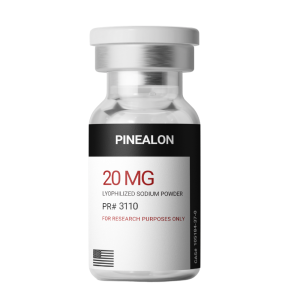
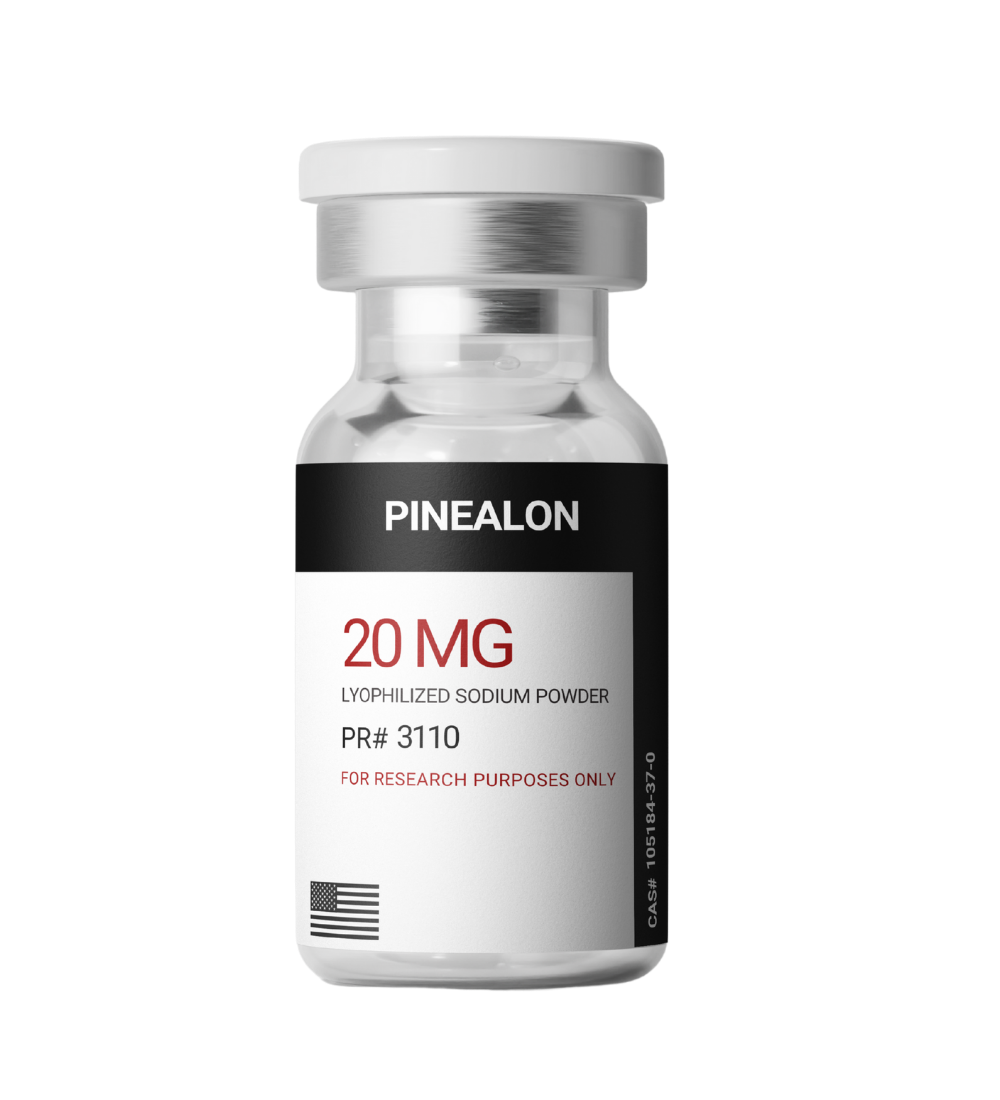
Pinealon 20mg

$32.00

Free delivery from $5000.
We will deliver by courier or to the point of issue of orders tomorrow or on another convenient day.
Free fitting and partial order redemption are available.

Pinealon 20mg

  • Form: Lyophilized powder
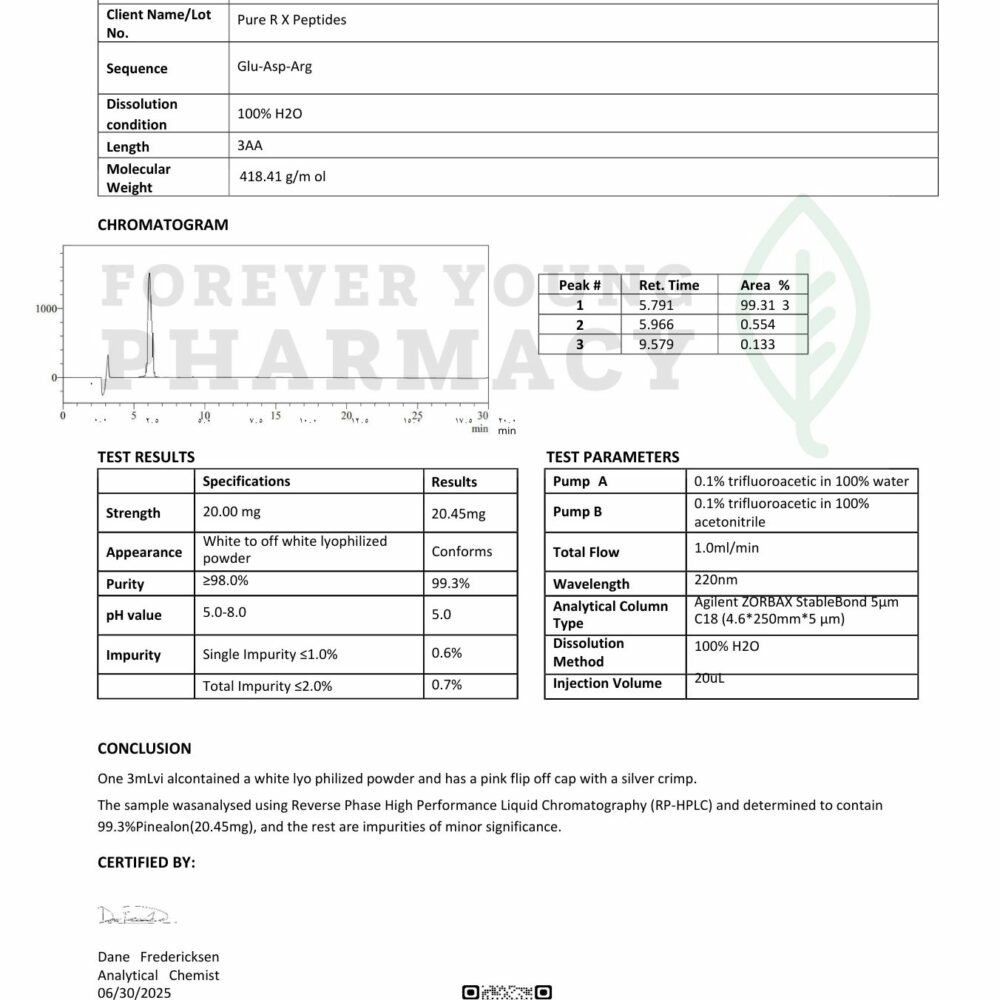
  • Purity: >99%

Overview

Pinealon is a short synthetic tripeptide composed of Glu–Asp–Arg, also known as the EDR peptide. It has been studied for its potential to impact the central nervous system, including possible neuroprotective, antioxidant, and anti-apoptotic effects. Research suggests Pinealon may penetrate the blood–brain barrier and interact with DNA molecules, raising interest in its potential role in brain health and cellular protection.

Research Background

Pinealon is derived from Cortexin, a low–molecular weight polypeptide studied for its ability to cross the blood–brain barrier and stimulate neurotransmitter activity. Experimental findings indicate Pinealon may influence neuronal survival, oxidative stress response, and cell cycle modulation. Its biological activity appears to be concentration-dependent: at lower levels it may act primarily as an antioxidant, while at higher levels it may interact with DNA and influence gene regulation.

Mechanism of Interest

  • MAPK/ERK signaling: Suggested to modulate pathways linked to neuron plasticity, metabolic stress, and apoptosis.
  • Oxidative stress reduction: May decrease the synthesis of reactive oxygen species (ROS), potentially lowering stress-induced cell damage.
  • Cell cycle modulation: Higher concentrations may influence genomic interactions and alter cell cycle progression.
  • Neuroprotection: Studied for protective effects on neurons and other cell types against oxidative stress.

Molecular Information

  • Molecular Formula: C15H26N6O8
  • Molecular Weight: 418.4 g/mol
  • Other Names: EDR, Glu–Asp–Arg

Related Resources